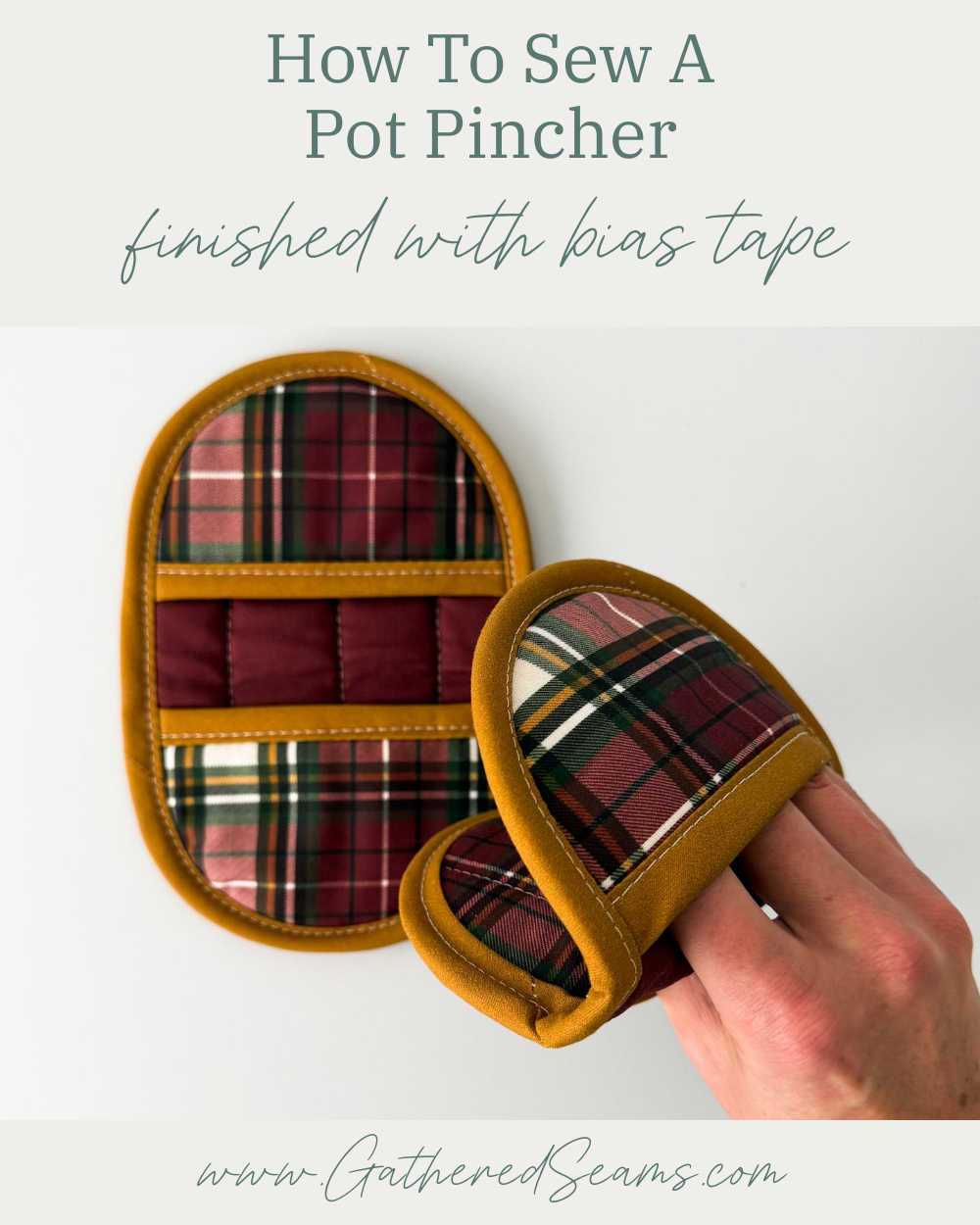
A pot pincher is sort of a cross between a potholder and an oven mitt. With two pockets, they allow you to grip a hot dish. This sewing project is a little more advanced due to the multiple layers of batting and bias tape. Sew a set of these or…
Kitchen & Home
-
 Continue Reading
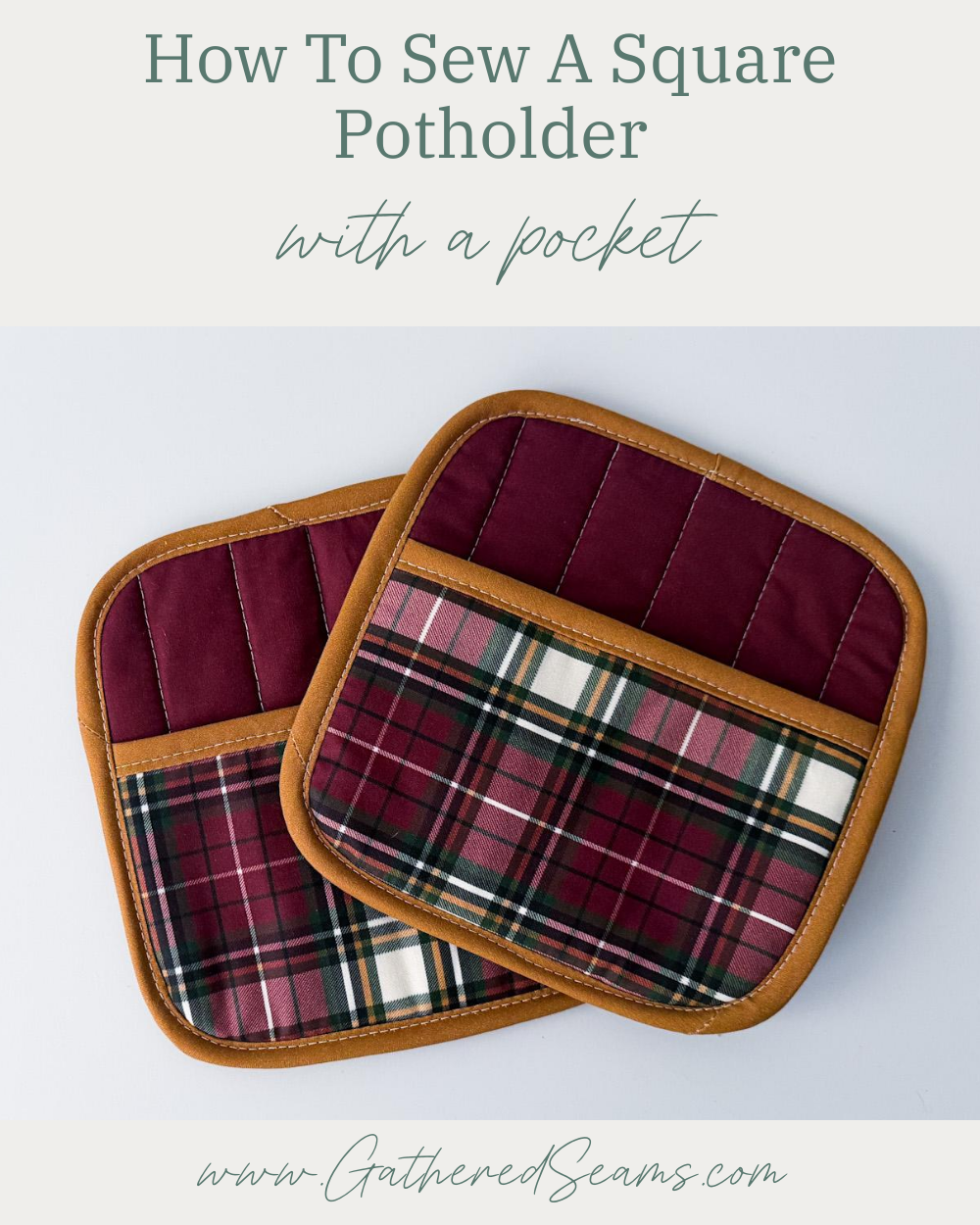
Pin it This potholder is more of an advanced sewing project because of the layers of batting and bias tape (which can be a little harder to work with). But the result is a professional-looking potholder with beautiful details, such as the quilting stitches and edges finished in an accent…
-
 Continue Reading
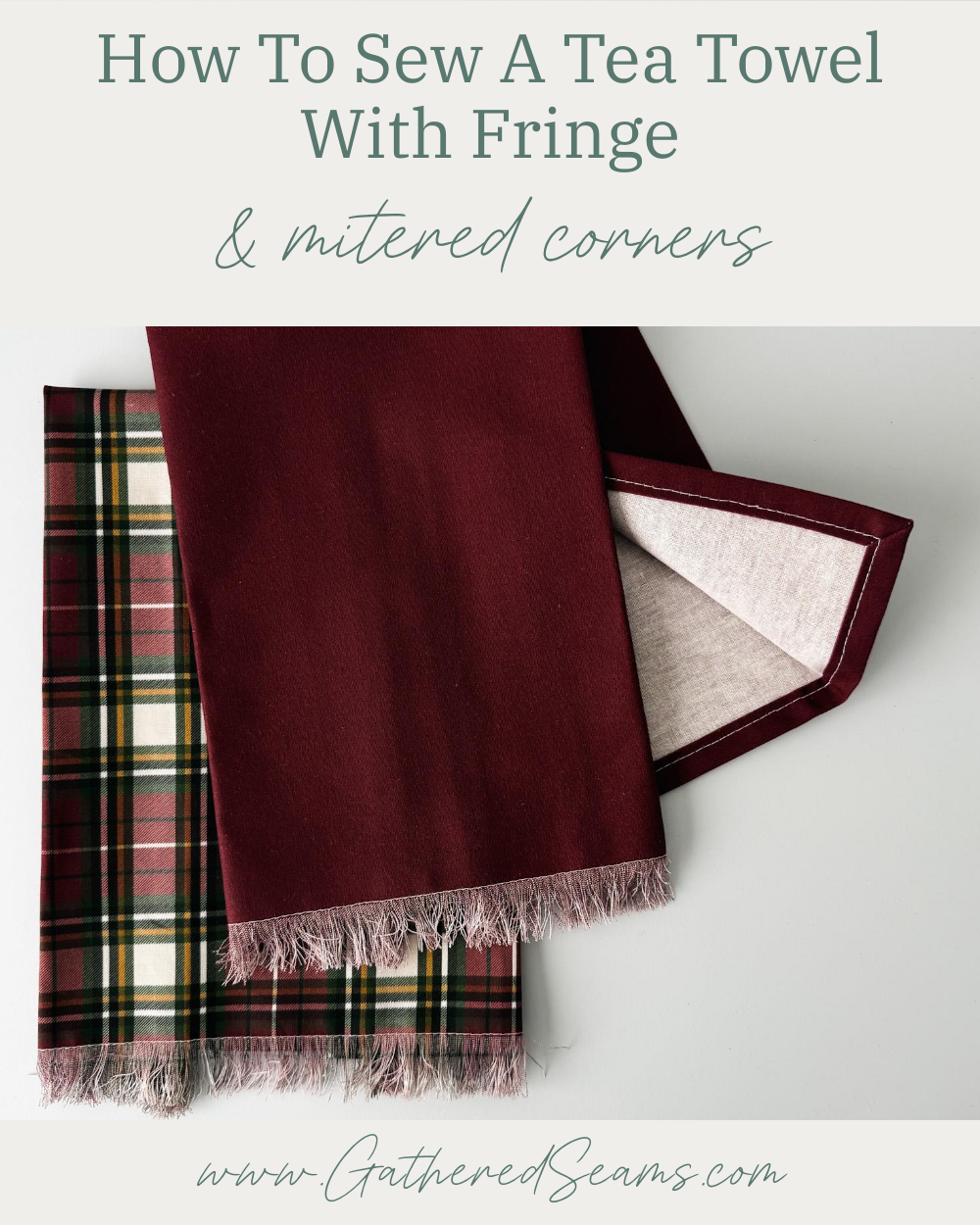
Pin it The fringed edge on this sewing project adds a bit more interest to a basic tea towel. This is a beginner project that can be completed in 10-15 minutes. Tea towels make a great gift because they’re an item that requires frequent replacing. Sewing 2 or 3 in…
-
 Continue Reading
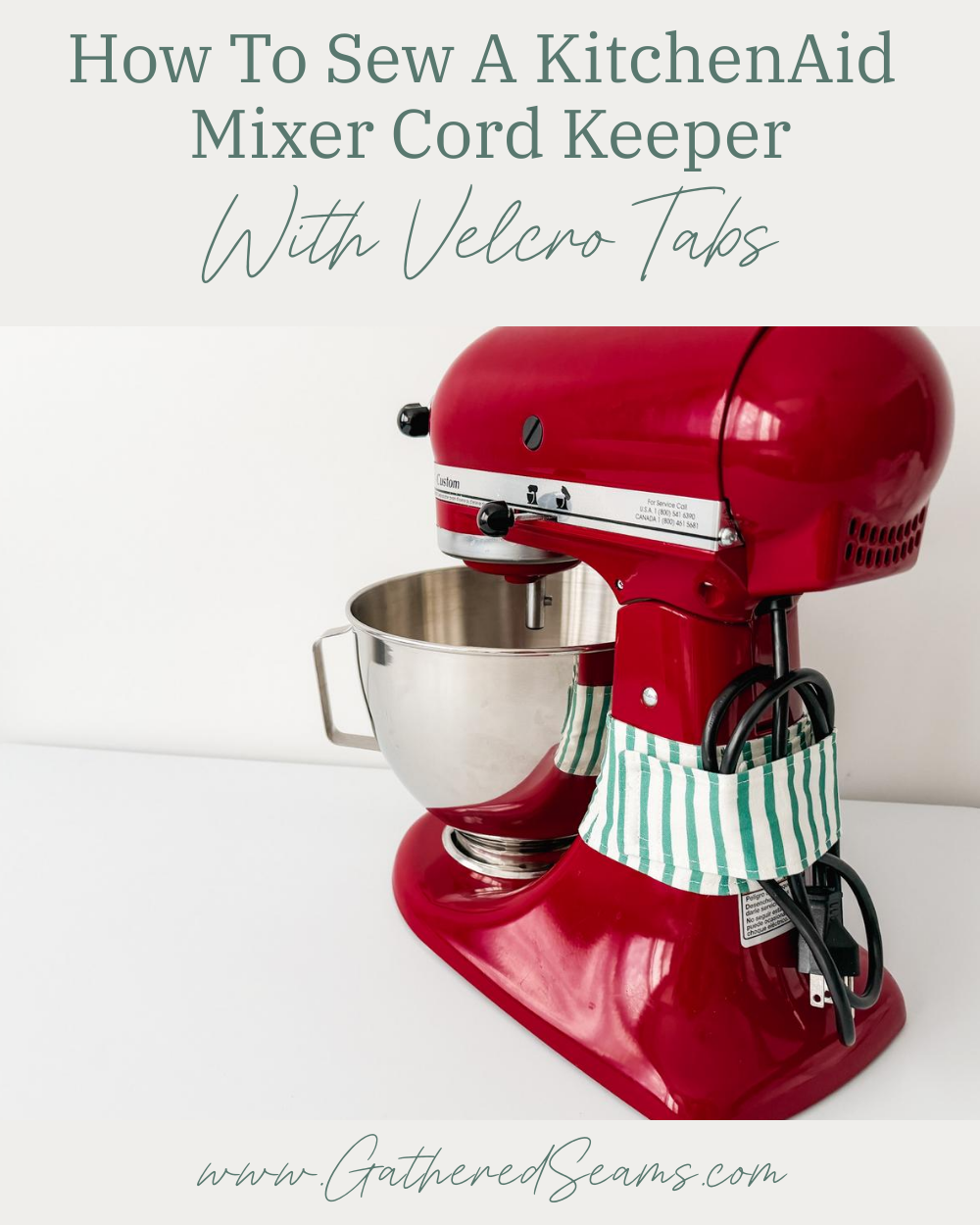
Pin it A KitchenAid Mixer Cord Keeper will neatly wrap and store your mixer’s power cord. It keeps the cord from dangling, getting tangled, or dragging on the countertop. This pattern for a cord keeper is designed with these features: Size & fit – Designed to wrap around the base…
-
 Continue Reading
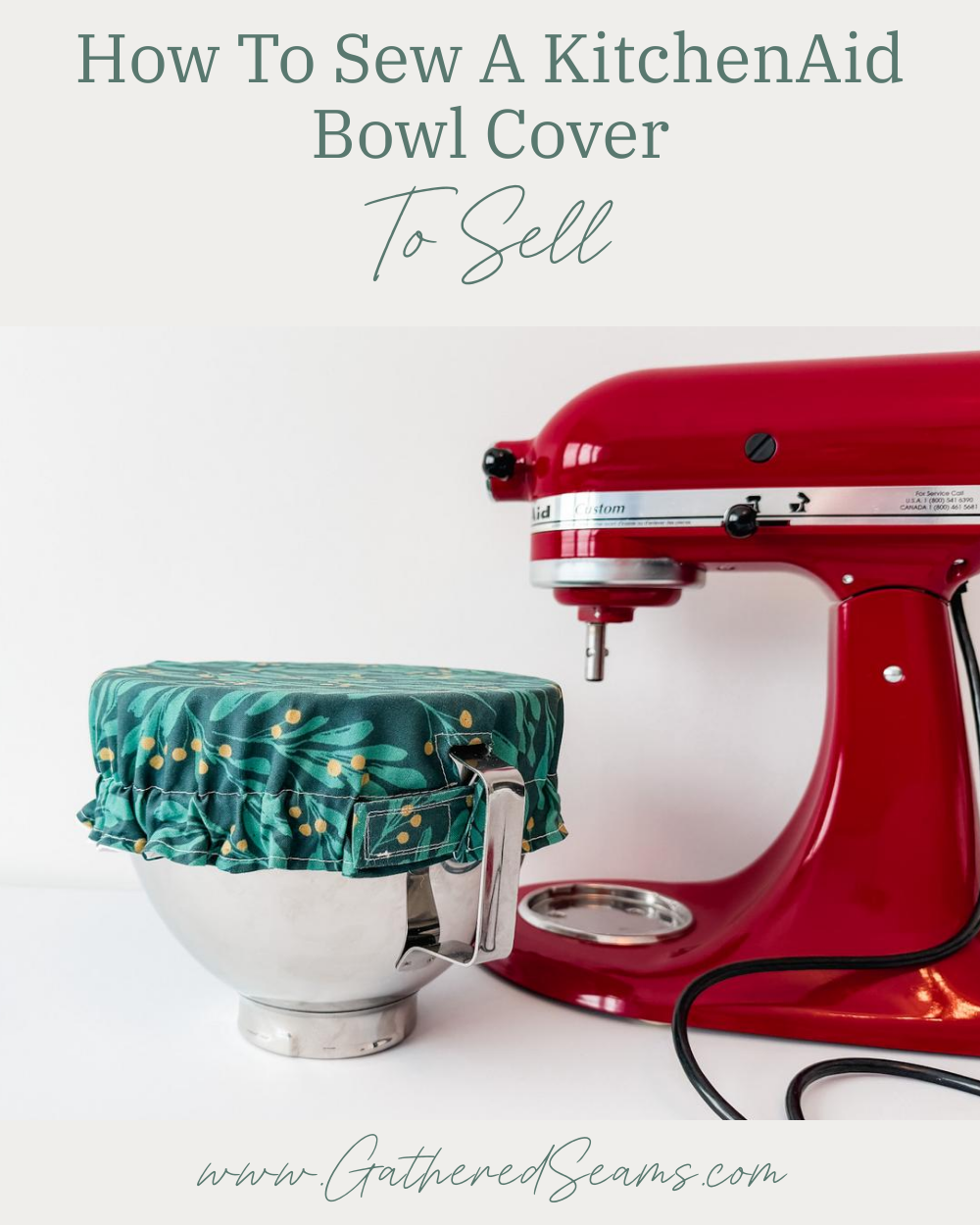
A KitchenAid Mixer bowl cover is ideal for storing dough in the bowl while it chills or rises. It also keeps the dust out of the bowl when storing it between uses. This pattern is a little different than the others out there. Here are a few points about it:…
-
 Continue Reading
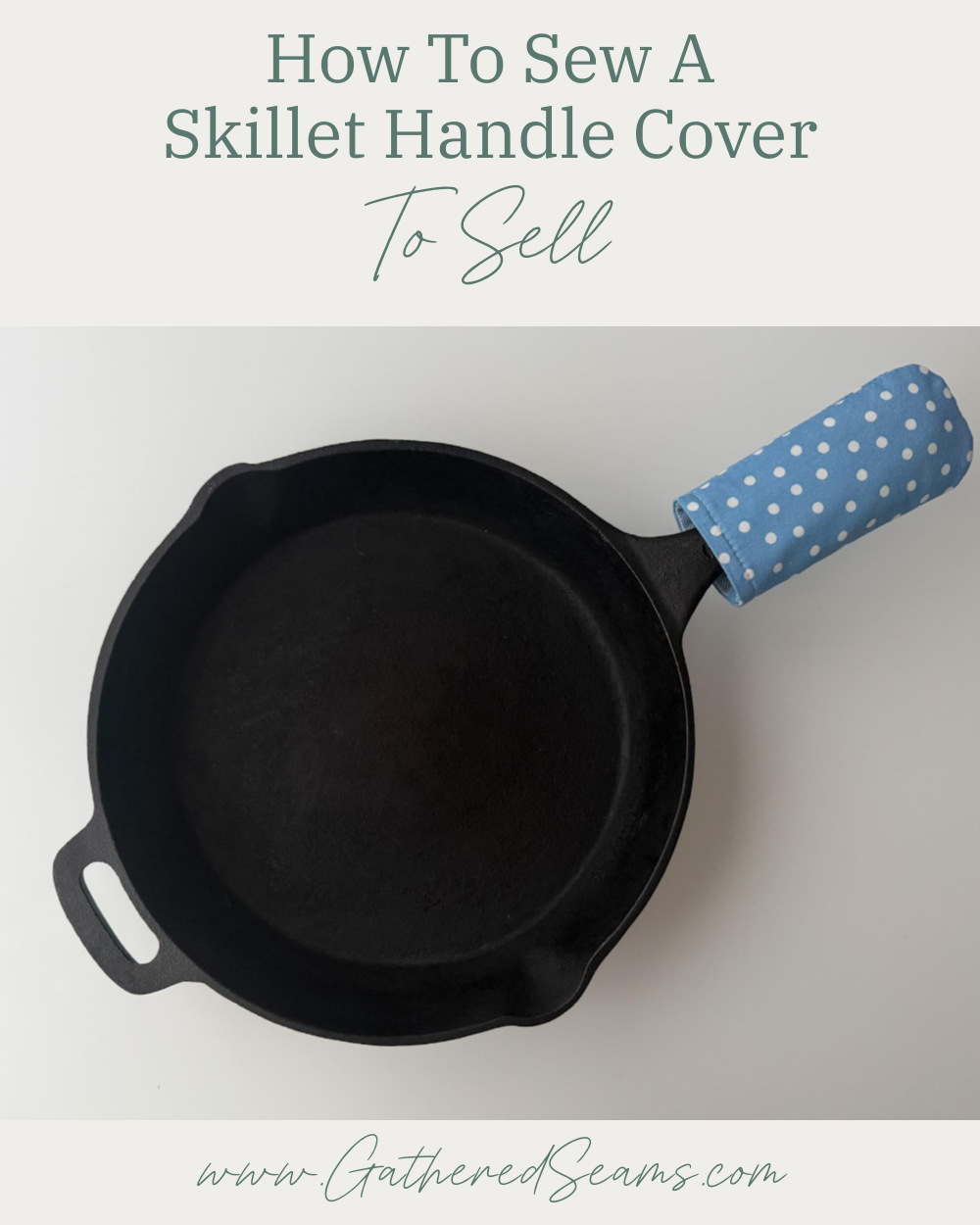
These skillet handle covers are really handy, along with a hot pot lid holder (free pattern here), to pick up a heavy cast iron pan. I worked on this pattern and different methods for assembling until I had a cover that looked polished and professionally finished. It comes together a…
-
 Continue Reading
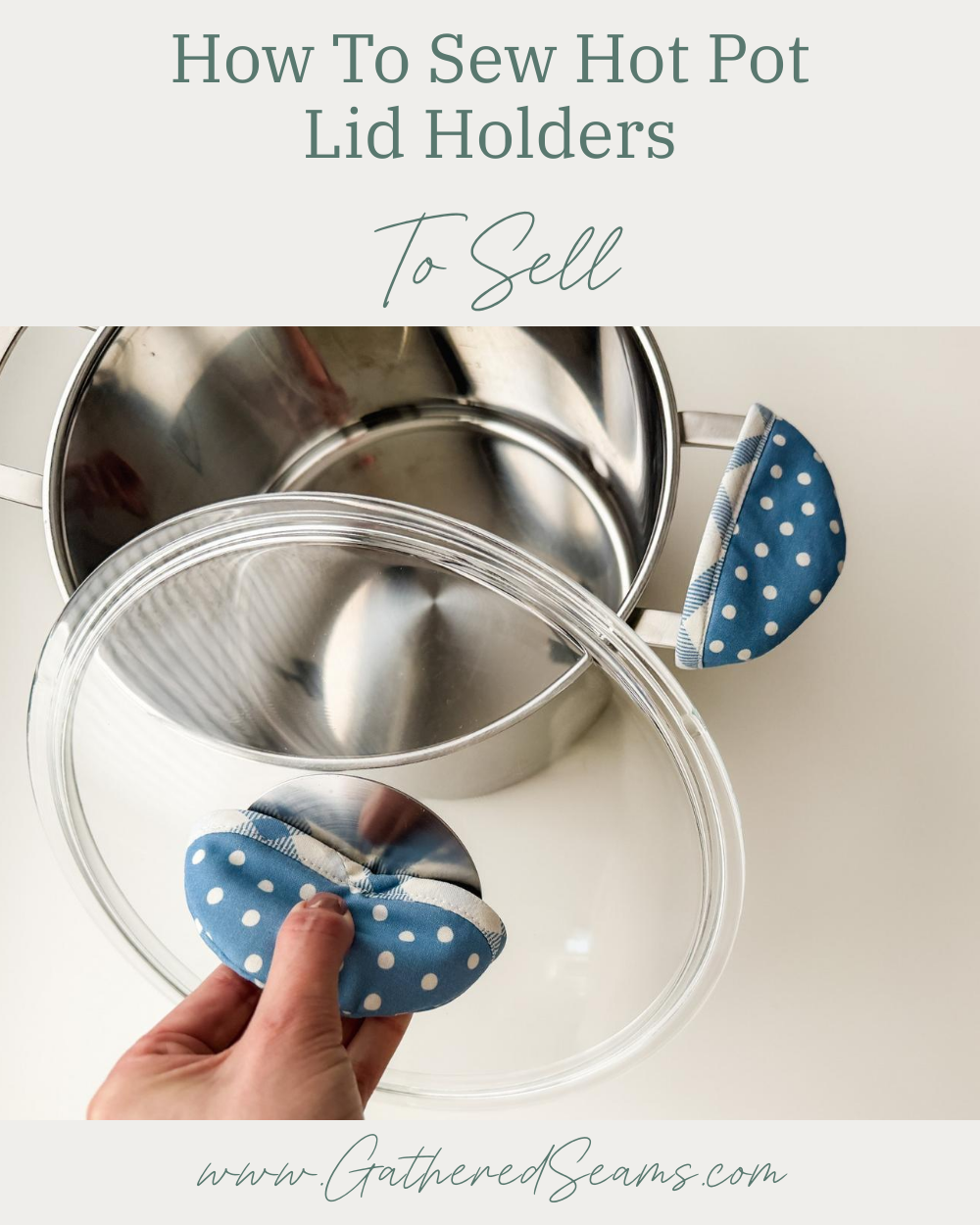
These pot holders are the perfect size for the lid or handle of a hot pot. I like their size because you don’t have any extra material getting in the way, and it sits on your lid as you have it set aside (previously, I used a tea towel to…
-
 Continue Reading
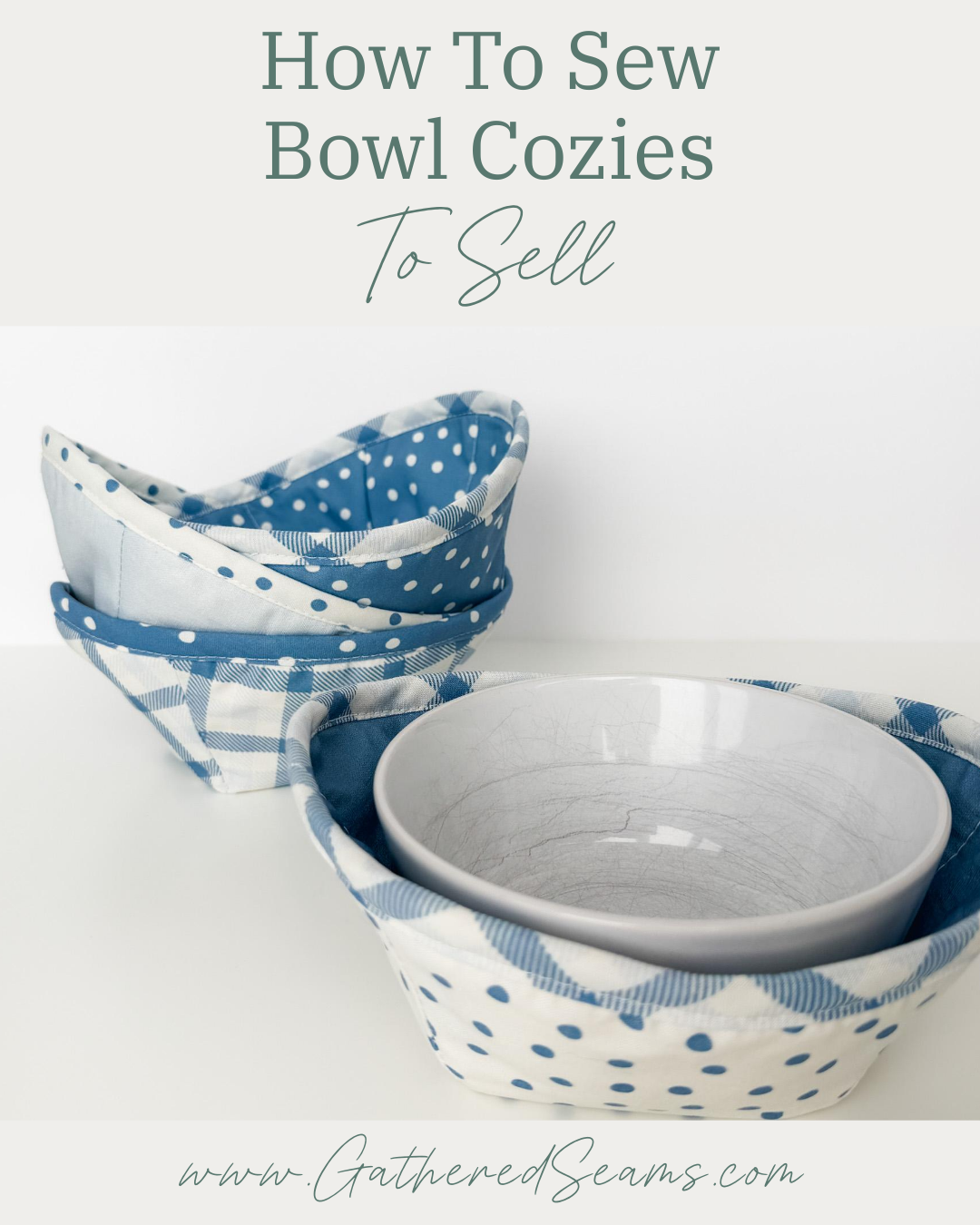
This article shares instructions for sewing a bowl cozy. A bowl cozy allows you to heat a bowl of food in the microwave and remove it without burning your hands. And to hold the hot bowl in your hands while you eat (if you’re like me and eat more meals…
-
 Continue Reading
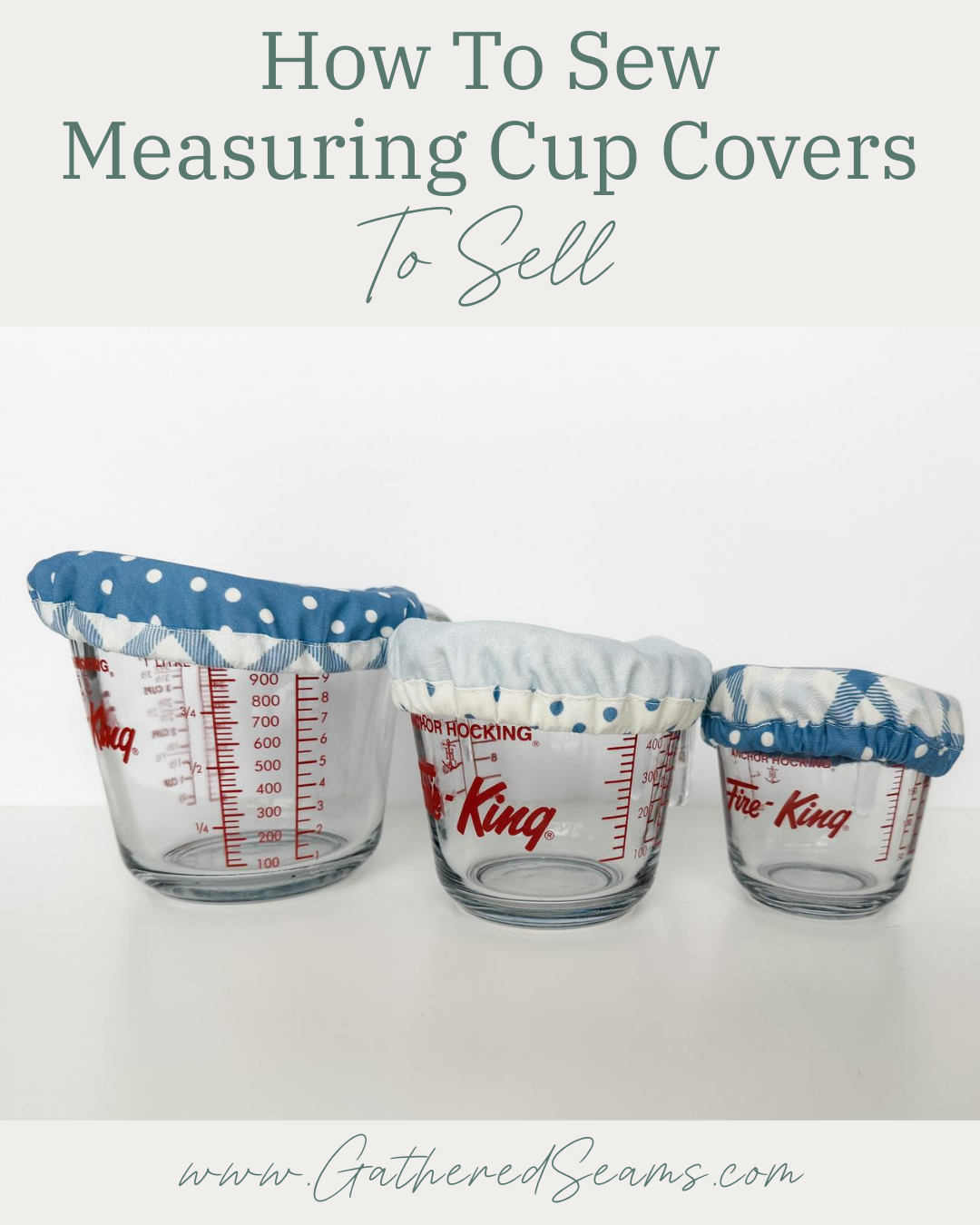
These reusable covers are ideal for using with measuring cups to make dressings and sauces, and then storing them in the refrigerator. I’m always using beeswax wraps to cover my measuring cups when storing homemade salad dressing in the fridge, but I find they don’t stick as well. So I…
-
 Continue Reading
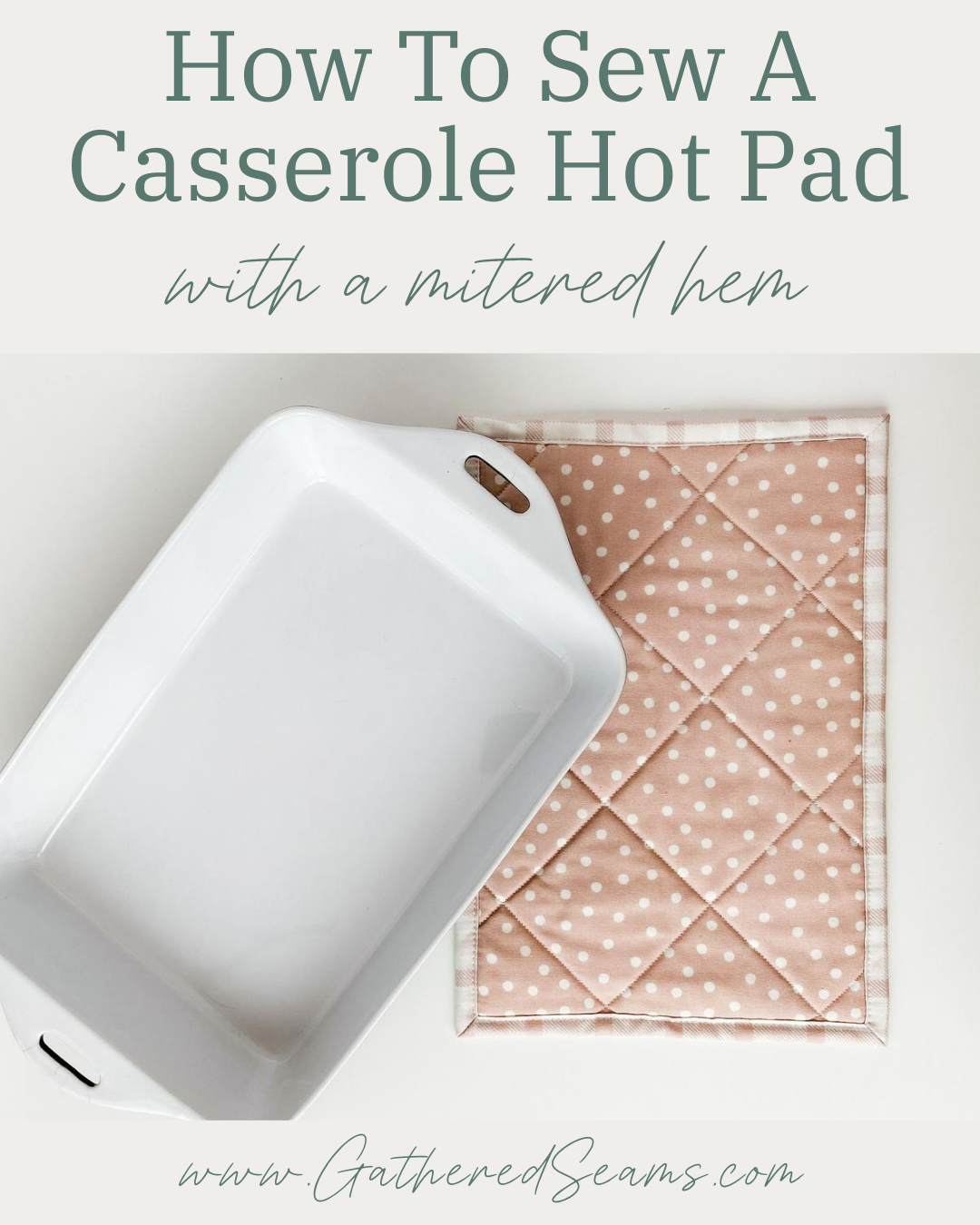
Pin it This technique creates a finish that looks like you used bias tape, but is much easier to do. Hot pads are a commonly used item and many people like them to match their table decor, so they require more than one set; making them a good product to…
-
 Continue Reading
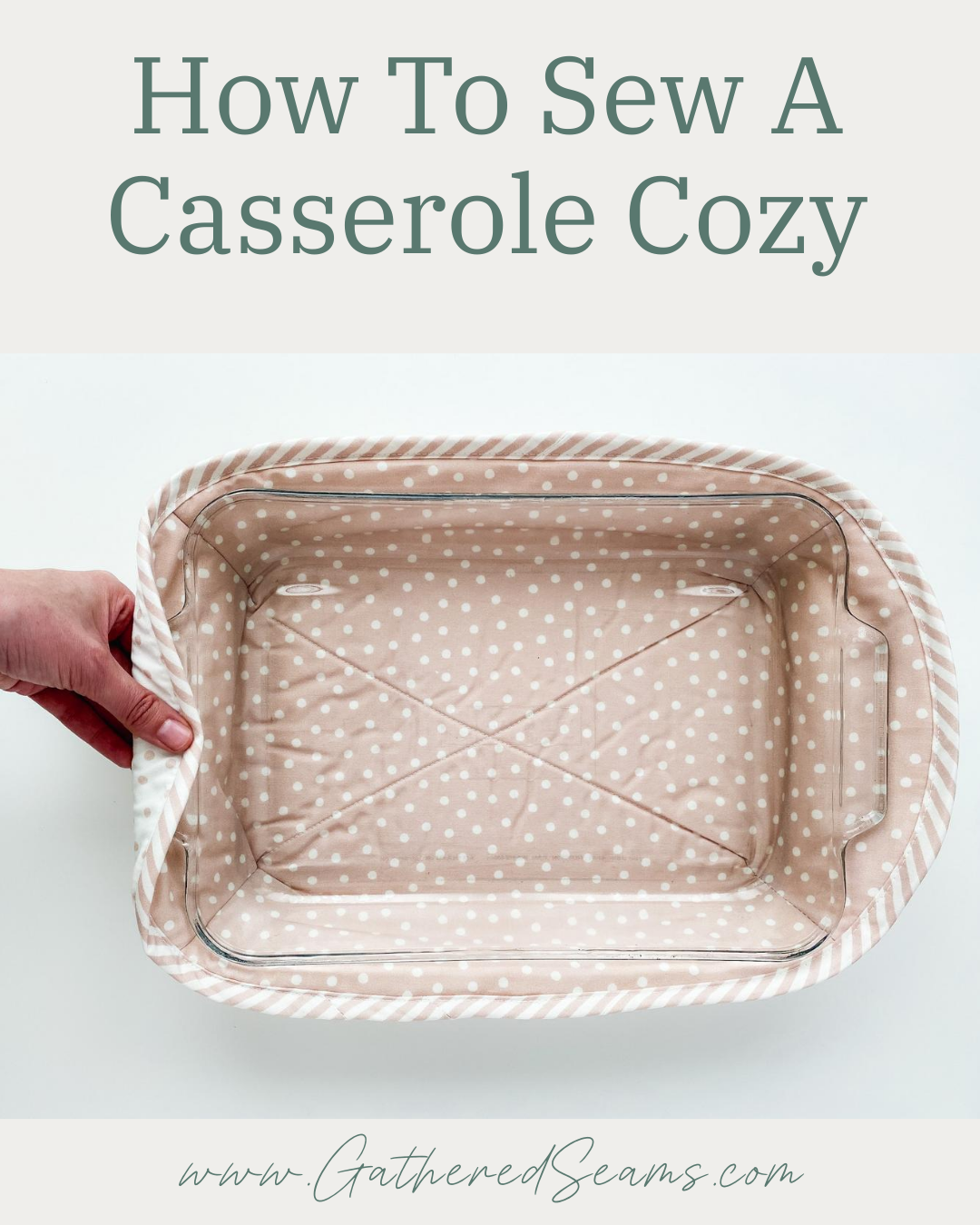
When I first saw a casserole cozy, I wasn’t sure what the point of it was. But now that I’ve made myself one, it’s a commonly used item in my household. A casserole cozy is ideal because: You can take a casserole out of an oven and set it into…
-
 Continue Reading
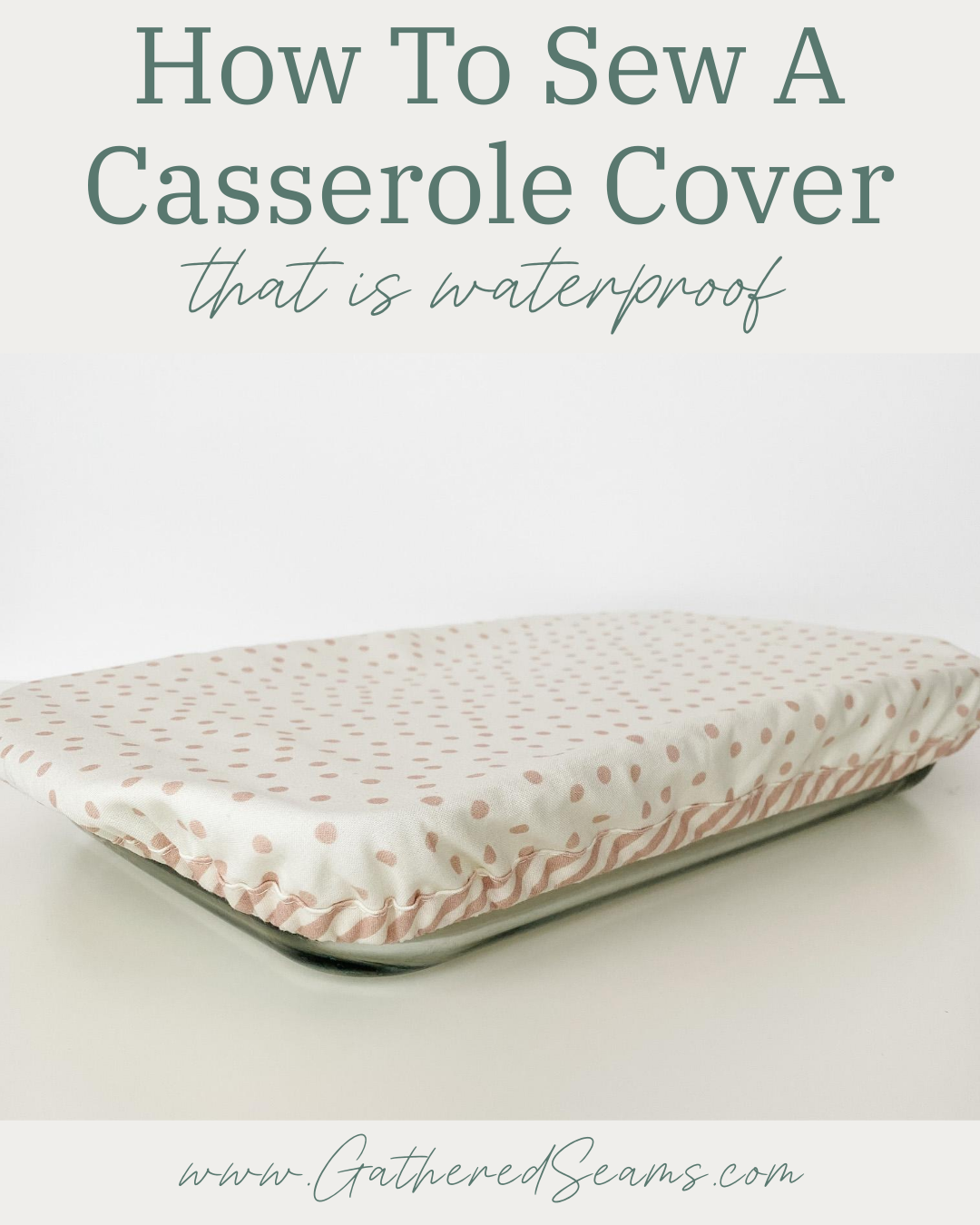
Pin it Reusable casserole covers are a great item to sew and sell because they will save your customers money in the long run. No need for plastic wrap or tin foil when covering casseroles that are: prepped and being stored in the fridge before baking cooked and being taken…
-
 Continue Reading
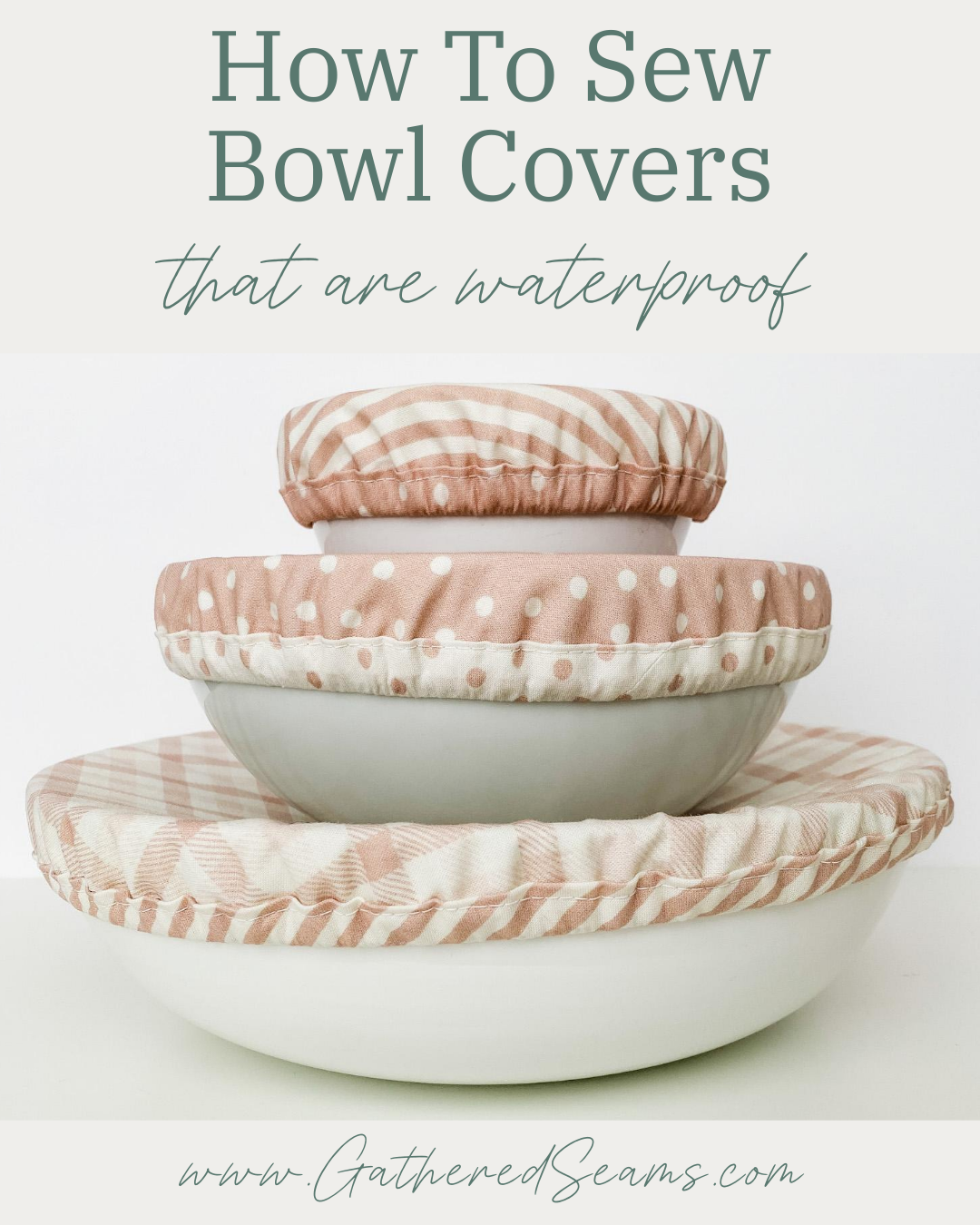
This free printable pattern comes in small, medium, and large sizes and uses bias tape to finish the edges and hide the elastic, which gives it a more polished look when sewing to sell. Bias tape does take a little practice to get used to, but once you get the hang…
-
 Continue Reading
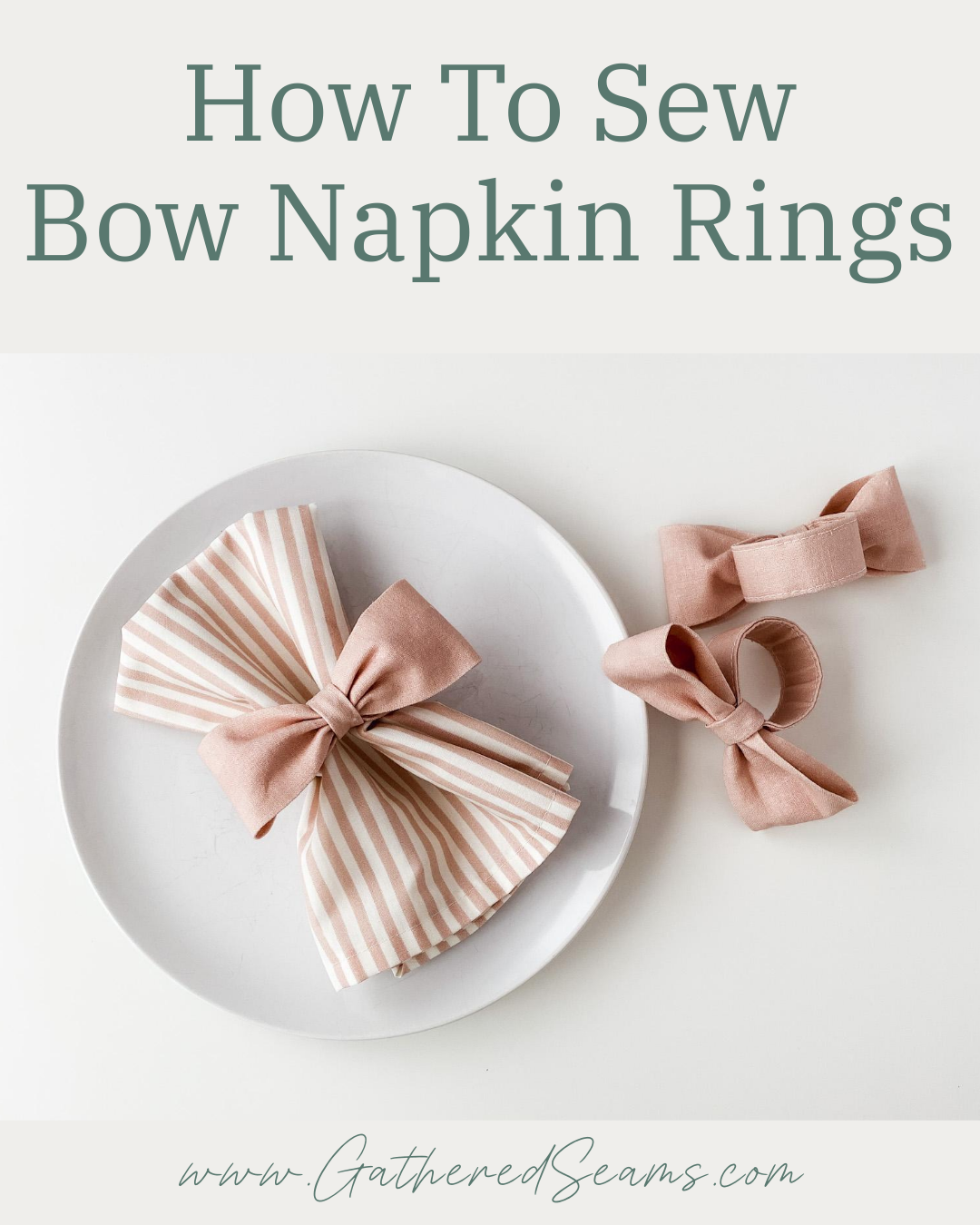
Pin it This is a simple pattern for napkin rings that don’t require hardware and only use smaller pieces of fabric. So it’s perfect for turning your scraps of fabric into profitable products. Sewing napkin rings to sell Napkin rings aren’t used or purchased as commonly as napkins. So…
-
 Continue Reading
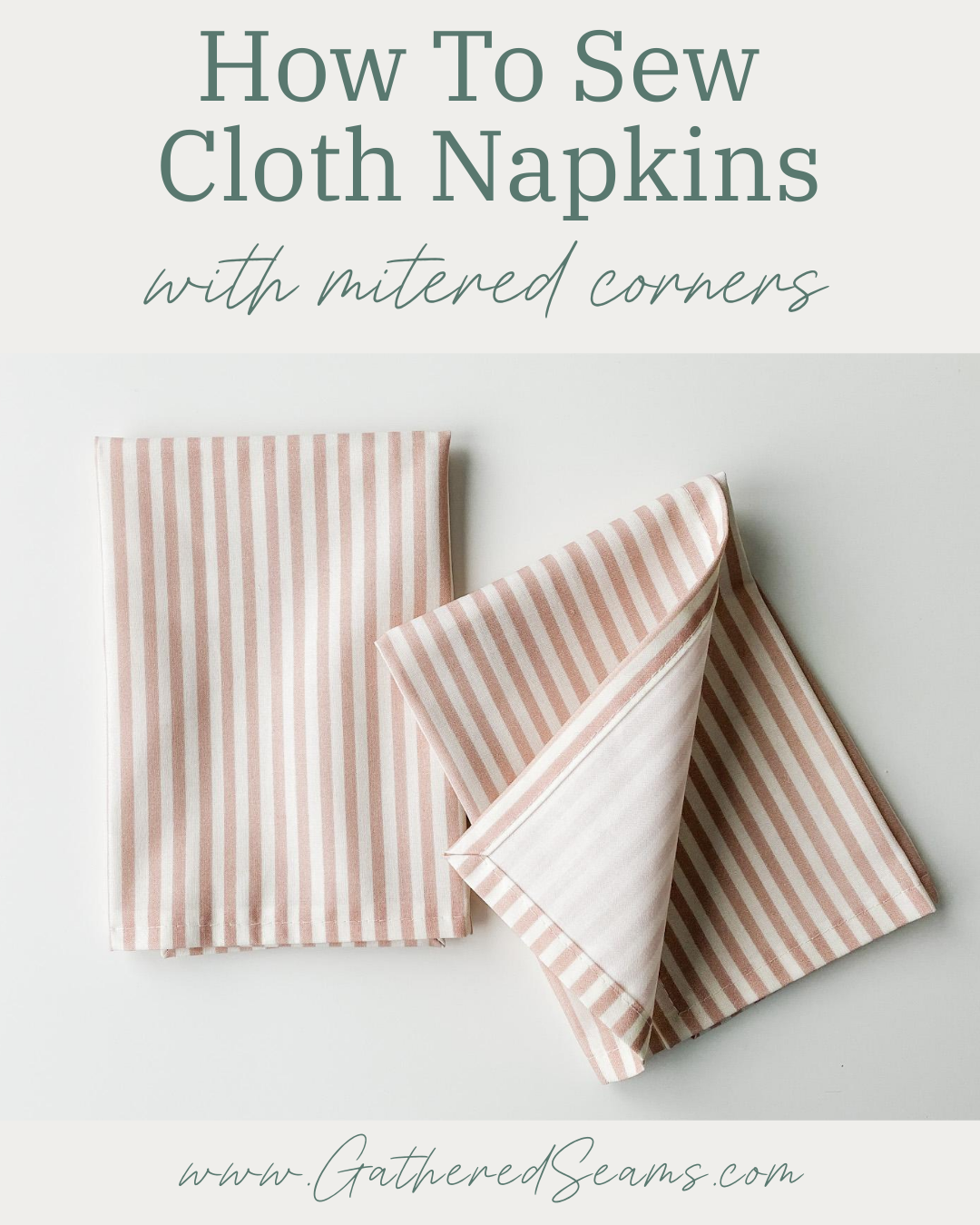
Pin it Napkins are a simple sewing project and only require you to cut and sew one piece of fabric. So they’re idea to sew and sell. Of course, consumers don’t just purchase one napkin (unless there’s a specific purpose for it, such as a larger napkin to go in…