Step 1 – Choose a Product Category
Before you register your business or apply for licenses, you should be clear on what you’re actually selling.
A common mistake people make when starting their handmade business is trying to offer something for everyone.
I get it. I made this mistake when I started my first handmade business too and tried to have something for everyone (I made everything from pajamas and aprons to bags and mittens).
But that harmed my sales and my business in the long run.
Why you need to choose a category
There are many reasons to narrow down what you’ll sell to just one category or subcategory.
- Legal setup – Although your business may evolve, you do need to clearly define what you’ll sell so you know: the best structure for your business (e.g. sole proprietor or LLC.), which permits and licenses you’ll need, the regulations you must follow, etc. Check out the legal steps of setting up a sewing business.
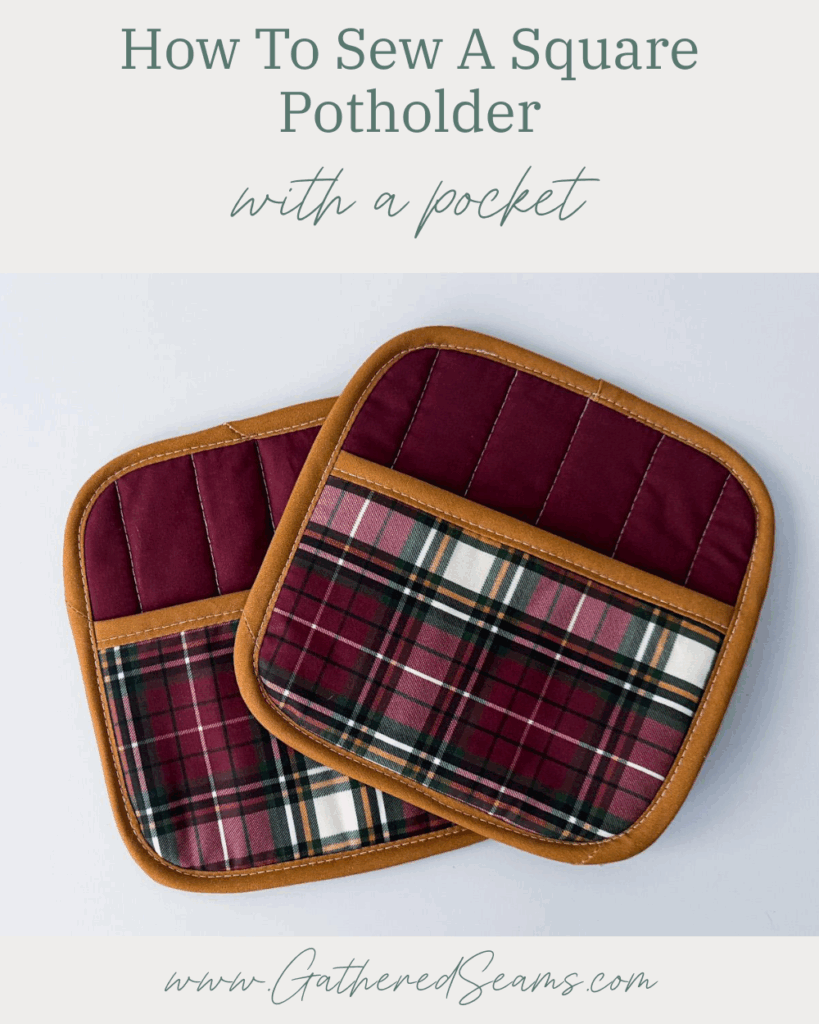
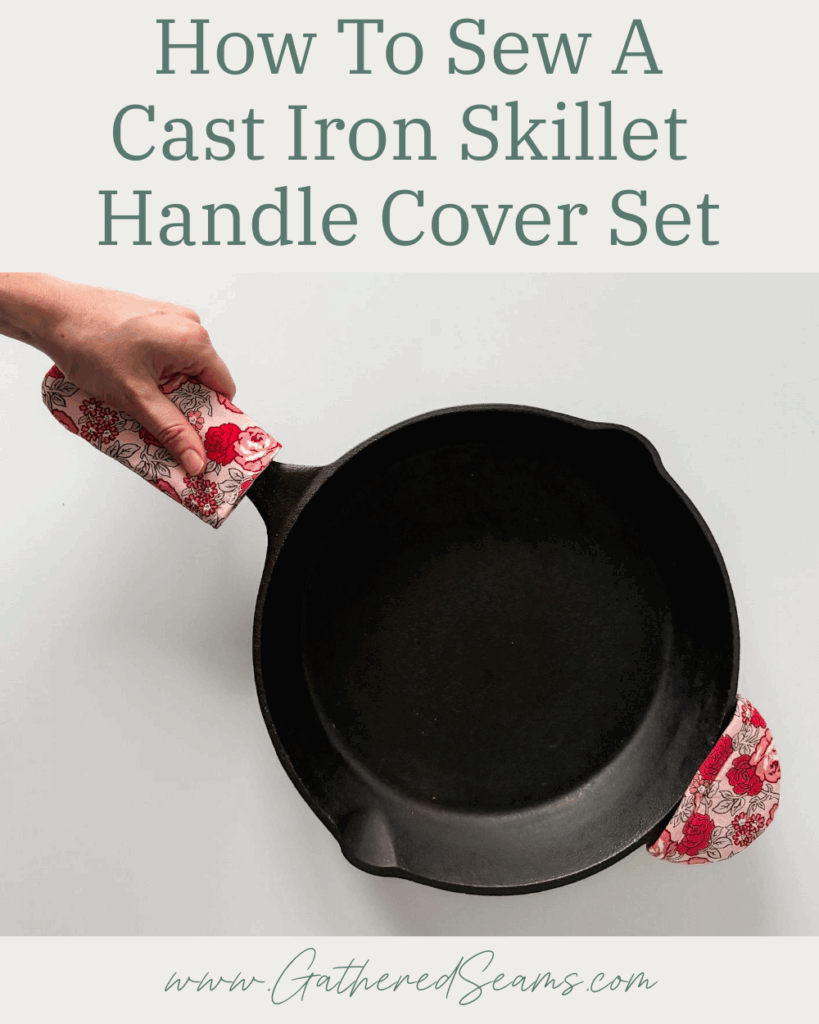
- Increase sales – When you stick to one category of product, you can build a product line that encourages multi-item sales. Most people won’t buy a purse and an apron in the same purchase (products from two different categories: accessories and kitchen linens). But many people will buy an apron and oven mitts together (two products that fall under the same category: kitchen linens).
- Increased profits – For each type of product you introduce, you must create a pattern, buy different materials, use different tools, calculate different prices, write different descriptions, etc. When you focus on fewer types of products, you can make them quicker, buy materials in bulk, reduce costs, get more efficient at making them, etc. When production costs go down, your profits go up.
- Build a brand & be more memorable – Defining a brand is complicated when you can’t easily describe what you make. “I sew bags, aprons, pillows, and hair accessories” makes it difficult to define the purpose my business serves, the feelings my products evoke or create, the collective style of my products, etc. On the other hand, “I make kitchen linens” offers a clear direction and creates a good foundation to build a brand on. When you have a clear brand, it makes it easy for shoppers to remember it. When they remember your brand, they’re more likely to think of you when they need a new item and tell others about your business.
Questions to help you find the right category
You don’t need to have all of the details figured out just yet, but these questions will help point you in the right direction.
1 – What are your passions and interests?
To build an authentic business that resonates with others, you should tap into your passions and interests.
It also makes it easier for you to become a leader.
For example, if I don’t like to bake, and I spend little to no time in my own kitchen, it’s going to be hard for me to know what people who do bake want and need.
On the other hand, if my kitchen is my favorite room to be in and I spend lots of time cooking, baking, and entertaining guests, I know what I look for in my kitchen linens and will easily be able to create products that other cooks/bakers are drawn to.
2 – Who do you want to serve?
The consumers you want to target will affect the product category you choose.
For example, if I want to target new moms, that may point me towards a product category such as nursing & feeding (burp cloths, bibs, nursing covers, etc.) or crib bedding & blankets.
On the other hand, if I want to target bakers, that would align me with the “kitchen linens” category (e.g. aprons, oven mitts, tea towels, etc.).
Who you target should be someone you understand and can connect with.
3 – What are your skills?
When selling the items you make, it’s important to be able to produce high-quality products.
If I’m a beginner sewist, jumping into making garments isn’t the best idea. There are so many advanced techniques used for sewing clothing, and many issues one can run into with fit.
On the other hand, if I’m an advanced sewist, my skills and expertise won’t shine through when making simpler items such as scrunchies. I may also want more of a challenge.
4 – What are the barriers to entry?
Some types of products require more work to break into the market.
-
-
-
- Laws and regulations – items made for babies and children often have strict regulations to follow, labelling requirements, and perhaps even testing you must have done to prove your products are safe. That may be a category of product you want to avoid if regulations sound overwhelming.
- Competition – do a little research online, at local craft shows, and at local boutiques to see how much competition there is. Typically, the easier it is to make an item, the more competition you’ll have. For example, you may notice several small businesses in your city are making and selling scrunchies, but there are likely very few sewing diaper bags.
- Profits – to build a sustainable business, you’ll need profits. Some items are harder to make profitable than others. For example, quilts require a lot of material and time to make, which will make your prices much higher than those of big-box stores. Although you’re not directly competing with big box stores, consumers are aware of them and will have an acceptable price range in mind for common products. It will be harder to find consumers willing to pay $700+ for a handmade quilt when they can purchase one from Pottery Barn, Wayfair, or Anthropology for $200 – $300. Check out Pricing for Profits for more information.
-
-
5 – How do you prefer to sell your products?
Some products are more conducive to selling online, while others are better for markets or boutiques.
Consider your preferred way of selling and the types of products that are suitable for that platform. For example:
-
-
-
-
- Online – most shoppers look for hard-to-find and specific items online. If they just want a basic oven mitt, they’ll probably pick one up at the grocery store. But if they’re looking for a “Christmas-themed oven mitt gift set”, they’re going to search online.
- Boutiques – if you want to sell your products through local boutiques, you’ll need to perfect your craftsmanship and your pricing. Retailers expect to pay wholesale pricing, which is typically 50% of retail prices (more info here). So if the products you’re thinking of selling don’t have healthy profit margins, selling through retailers isn’t an ideal sales channel.
- Craft shows – I’ve found that craft show shoppers tend to buy products in the $50 and under range. Products that are smaller, lighter, and easy to carry around the craft show also tend to be favoured. If you’d prefer to sell at craft shows, consider items that have lower price points, are small, easy to display, and easy to transport.
-
-
-
Examples of product categories for your sewing business
Here are a few category and subcategory examples that are ideal for a small business owner:
Accessories
- Bags and cases
- cosmetic bags and personal care cases (makeup bags, makeup brush rollup cases, hair product bags)
- school bags and cases (backpacks, pencil cases, laptop cases)
- travel bags (jewelry roll-up bags, toiletry bags, packing bags)
- parent bags (diaper bags, wet bags, baby item organization cases)
- reusable bags (lunch bags, snack bags, reusable sandwich bags)
- Hair accessories (scrunchies, headbands, headscarves)
- Keychains, wallets & lanyards
- Men’s accessories (neckties & bowties, ascots, pocket squares)
Home & Living
- Kitchen linens
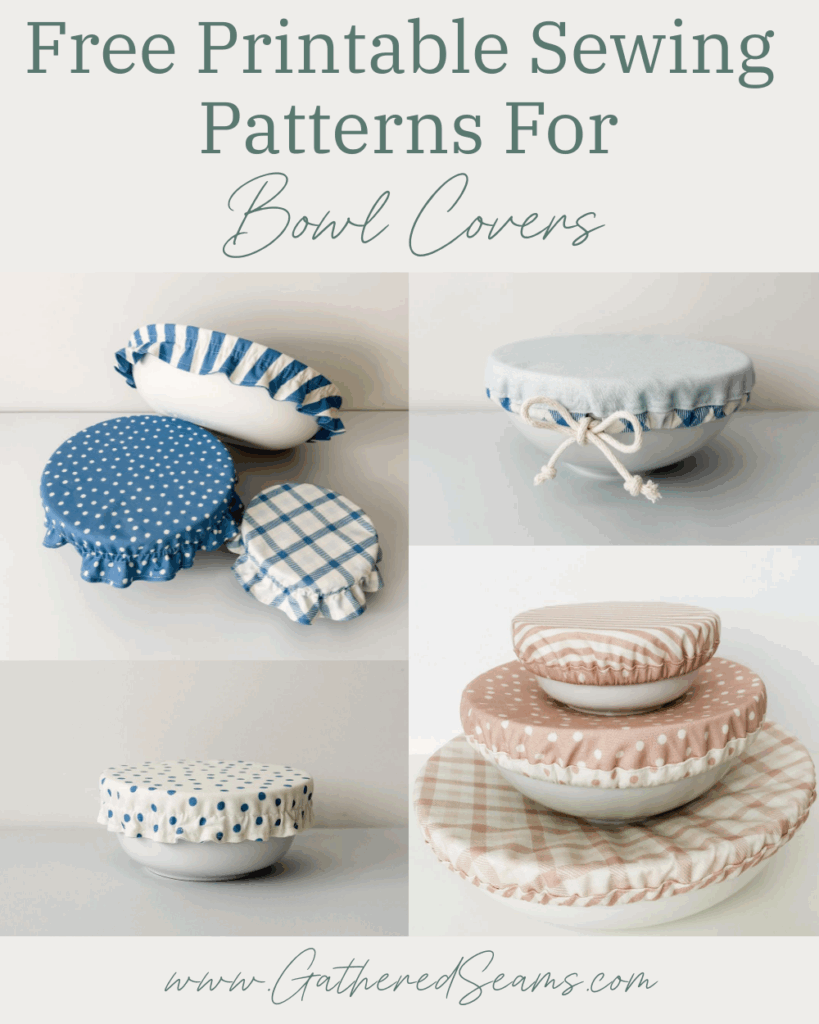
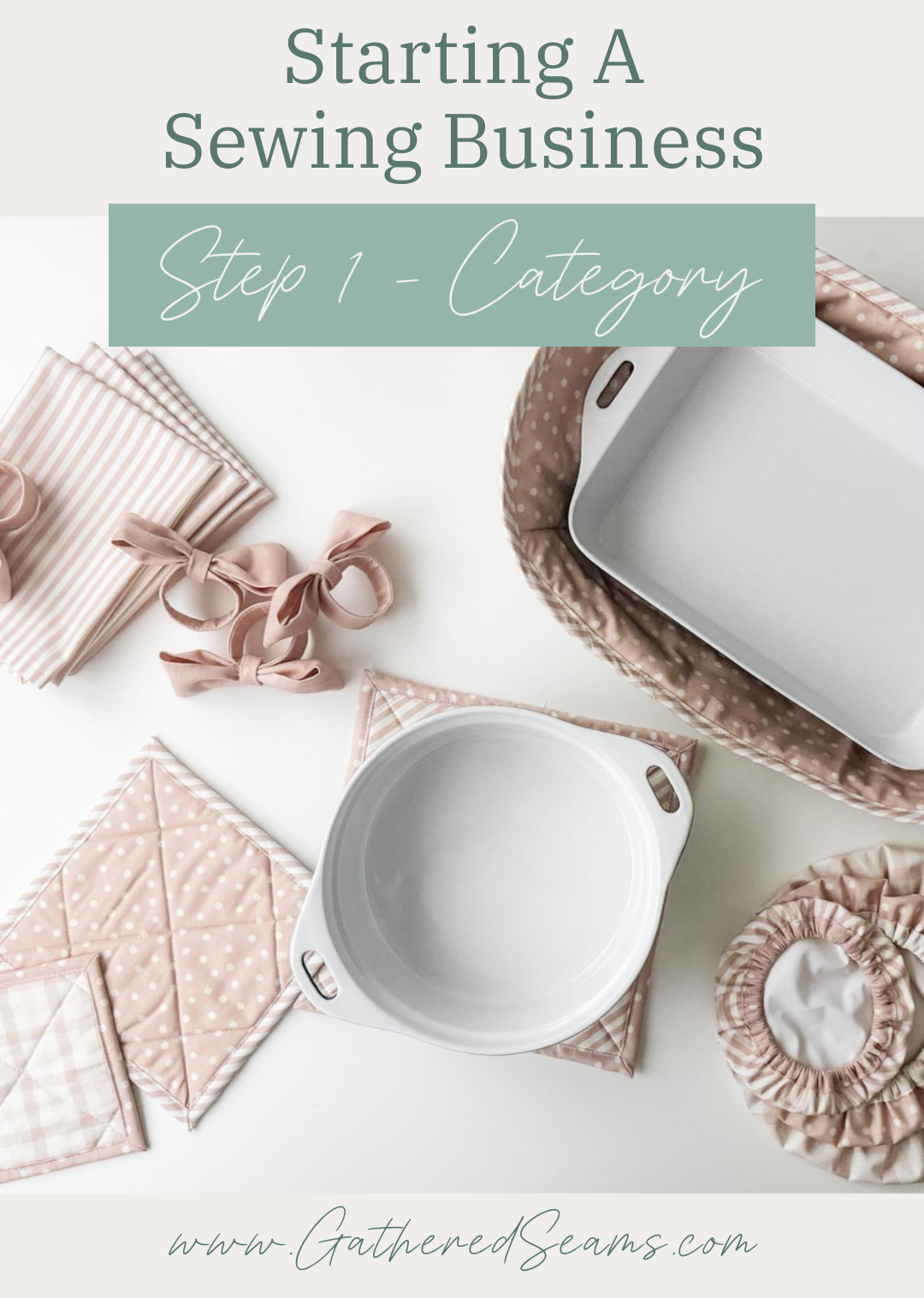
- baking (oven mitts, aprons, hot pads, bowl covers)
- kitchen decor (tea towels, drying mats, oven mitts)
- table decor (placemats, table runners, hot pads, napkins)
- reusable items (bowl covers, sandwich bags, popcorn bags, produce bags)
- Bedroom & living decor (pillows, cushions, quilts, throws, curtains)
Baby
- Nursery items (blankets, swaddles, changing pad covers)
- Accessories (hats, swaddles, mittens, hair bows)
- Feeding (burp cloths, bibs, placemats, snack bags)
- Clothing (rompers, dresses, bloomers)
- Soft toys and sensory items
Pet
- Cat toys (wands, catnip toys)
- Pet beds (beds, blankets, hammocks, teepees)
- Dog accessories (bandanas, collars, leashes, boots)
- Clothing
Clothing
- Tops & blouses
- Dresses & skirts
- Pajamas & loungewear
- Outerwear
*This list is not exhaustive
Action Steps
- Answer the 5 questions to help you find the right category
- Decide on a product category/subcategory for your sewing business
For the sake of setting up your business, you can start by defining your product category.
Then, depending on your category, you may want to explore focusing on a subcategory to reduce your workload, find a niche in the market and limit your competition, and build a business that stands out.